
How to Choose a Website Redesign Company: 6 Things to Check
Website DesignWebsite Redesign
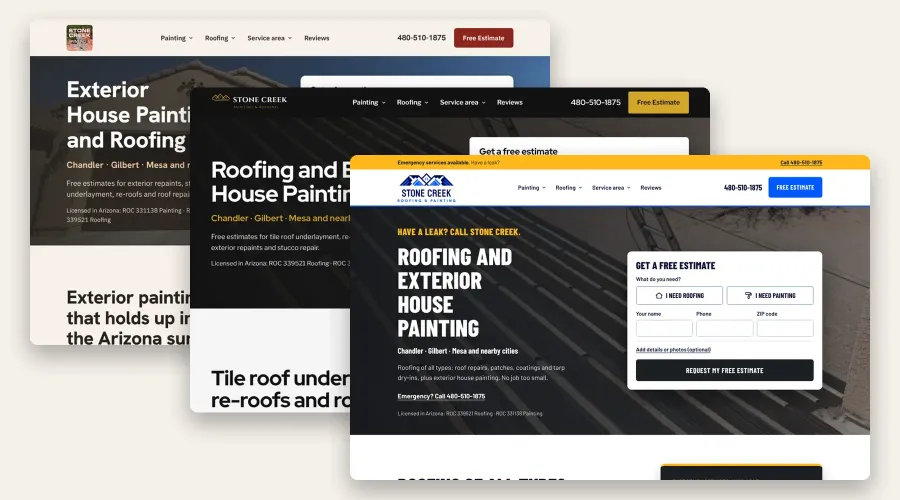
Your website should reflect the business you run today. If it looks outdated, leaves out important services, or makes it difficult for customers to find what they need, it may be time for a redesign.
Choosing a website redesign company takes more than finding a portfolio you like. As you compare website redesign services, you’ll want to understand what each company recommends, what the work includes, and how it will handle the move from your current site to the new one.
Here are six things to check before deciding.
1. What Does Your Website Redesign Need to Fix?
Start with what isn’t working.
Your website might be difficult to use on a phone, load slowly, or no longer represent the quality of your work. Maybe your business has grown, but the website still describes the services you offered years ago.
Think about the questions customers ask. If people regularly call because they can’t find your service area, product information, or contact details, that gives you a useful starting point.
Also consider what you want to keep. You may have helpful articles, project photos, or service pages that still accurately describe your business.
A website redesign company should review what you have and explain what it recommends changing. Ask whether you need a full redesign or whether a smaller update would address the problems.
2. Does the Website Redesign Company Have Relevant Experience?
Look at live websites the company has completed. Open them on your phone, browse the services, and try the navigation.
Can you quickly understand what each business offers? Is the information easy to read? Can you find how to contact the company?
Ask about projects with requirements similar to yours. A company doesn’t need to work exclusively in your industry, but it should understand the features your website needs. A product catalog, reservation system, or custom form can add requirements that a basic informational site doesn’t have.
Have the team explain what it handled on a previous project and why it made those decisions. You can also ask a past client about communication, the review process, and support after launch.
You can browse Roe Digital’s work to see examples of websites we’ve worked on.
3. How Will the Company Handle SEO During Your Website Redesign?
If customers already find your website through Google, ask how the company will account for that traffic.
Before removing or combining pages, the team should review your existing content and whatever search data is available, such as Google Search Console and analytics. An older page may still bring potential customers to your business, even if its design needs updating.
Ask what happens when a page address changes. Redirects should send visitors and search engines from the old address to the appropriate replacement page. Without that planning, links from search results, other websites, or saved bookmarks can stop working.
Find out who will check that the new site is accessible to search engines and that tracking is working after launch.
These steps reduce avoidable problems, but they don’t guarantee results. Search rankings and traffic can change after any major change to a website, for reasons that have nothing to do with the redesign itself. Look for a company that explains how it manages the transition and monitors results afterward, rather than one that promises your rankings won’t move.
4. How Much Will Your Website Redesign Cost?
The number of pages, the changes needed, and features such as product catalogs, booking tools, or custom forms all affect the cost of a website redesign. Whether content needs to be written, moved, or simply cleaned up matters, too. Because of that, estimates for the same project can vary widely from one company to the next. Roe Digital’s redesigns start at $2,500.
When comparing estimates, check that they cover the same requirements. Does the price include moving the pages and images you want to keep? What about redirects, mobile testing, and connecting your forms or other business tools?
Ask how additional requests are priced and approved. You should know what is included before work begins.
Ongoing expenses matter, too. Hosting, maintenance, software licenses, and future updates may be separate charges. Our website maintenance plans start at $75 per month.
Our pricing tool can help you get an initial estimate for your project.
5. What Is the Website Redesign Process and Timeline?
Ask the company to explain the main steps, when you’ll review the design, and what it needs from your team.
A useful schedule should account for planning, design, revisions, development, testing, and launch. How long that takes depends on the scope of the site, whether the content is ready or still needs to be written, how many people need to review and approve the work, any integrations with other systems, and the company’s own project schedule. Ask for a timeline based on your project rather than a general figure.
Discuss the transition before work starts:
- Will the current website stay online while the new one is built?
- Will the company back up the existing site, and what does it need from you to do that?
- Could domain or hosting changes affect business email?
- Who will test forms, booking tools, and other features?
- Who will handle the launch and check that everything is working afterward?
Choose one person at your company to gather feedback and communicate decisions. That helps keep the project moving and avoids conflicting requests.
If you have a deadline tied to an event or campaign, bring it up before accepting an estimate.
6. Who Will Own and Manage the Website After Launch?
Get clear answers about ownership, access, and support before choosing a website redesign company.
Your business should control its domain name. The agreement should also explain ownership of the website’s design, content, and code, which accounts you can access, and what transfers to you once the project is paid for. If a company can’t say plainly that the site is yours when it’s paid for, keep looking.
Ask specifically about third-party software, licensed assets such as stock photos or fonts, and any features that run on the company’s own systems. Those are usually covered by separate licenses or accounts and may need to be replaced or set up again if you move the site to another provider.
Then decide how you want updates handled. Will your staff edit the website, or would you rather send changes to the company that maintains it?
Ask what support covers, how to request help, and when you can expect a response. Make sure you understand who is responsible for maintenance and what happens if something stops working.
Want a quick recap? This short video covers three of the most important things to check before hiring a website redesign company.
What to Expect When You Work With Roe Digital on a Website Redesign
We start by asking for access to your current website, hosting, Google Search Console, and analytics. When that access is available, we back up the existing site and review the search data before making recommendations, so we understand how people find your business and which pages are already working for you. If some of it isn’t available, we’ll tell you what we can and can’t check.
Next, we create three homepage concepts for you to review. You can choose one or combine elements from more than one, and we refine the direction you choose based on your feedback before building the rest of the site. Your quote describes what’s included, and we’ll tell you before any request would add to the cost.
Once the design is approved, we build your website with a mobile-responsive layout and clear navigation, on a platform built to load quickly. We organize the information so visitors can find your services, get answers to their questions, and contact your business easily.
Before launch we map redirects for any page addresses that change, test the site on phones and computers, and confirm that Search Console and analytics tracking are in place for the accounts we have access to. We check them again in the weeks after launch.
The first month of website care is included. After that, our website maintenance plans provide hosting, maintenance, and support, with routine updates based on your plan.
Once your project is paid in full, the website’s design, content, and code are yours, and we can provide a complete copy of the site if you ever move to another provider. Third-party services, licensed assets, and features that run on Roe Digital’s systems, such as our form handling, would need to be replaced or set up again with your new provider. Your agreement spells this out, and we’re glad to answer questions about it before you sign.
Frequently asked questions
How much does a website redesign cost?
It depends on the number of pages, how much content needs to be written or moved, and features such as catalogs, booking tools, or custom forms, so estimates for the same project can vary widely from one company to the next. Ask each company what its price includes. Roe Digital's redesigns start at $2,500 and include three homepage concepts and the first month of website care.
How long does a website redesign take?
It depends on the size of the site, how much content needs to be written or moved, any custom features or integrations, how quickly reviews and approvals can happen, and the company's schedule. Ask for a timeline based on your project rather than a general figure, and mention any deadline before you accept an estimate.
Will a website redesign hurt our Google rankings?
It can, especially if page addresses change without redirects, pages that bring in visitors are removed, or the new site launches with settings that block search engines. Reviewing your search data first, keeping useful content, planning redirects, and checking the site after launch help avoid those problems. Rankings and traffic can still change after a redesign, so be cautious of any company that promises they won't.
Who owns the website after the redesign?
Your agreement should spell out ownership and access, including what transfers to you once the project is paid for. Your business should control its domain name, and the website's design, content, and code should be yours. Third-party software, licensed assets such as stock photos or fonts, and features that run on the provider's systems are usually handled separately, so ask what would be involved if you ever moved the site to another provider.